Protected Bike Lanes Expand Along Major Boulevards
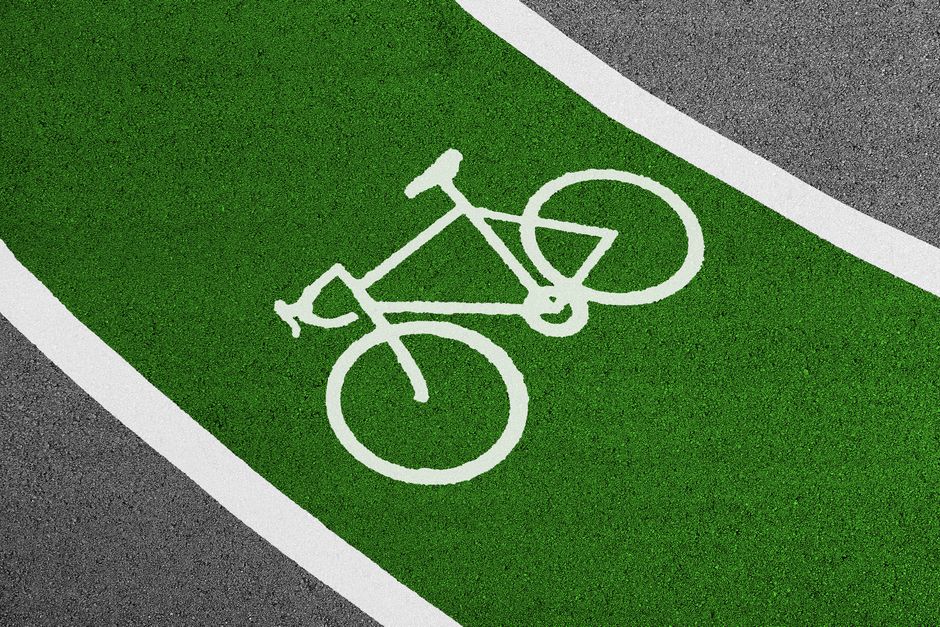
UrbanFlow Transit has recently overseen the addition of 12 kilometers of protected bike lanes along five major boulevards in the city. This infrastructure project aims to provide a safer environment for cyclists and to support a modal shift towards cycling as a daily mode of transport. The new lanes are designed to be physically separated from motor vehicle traffic, using curbs, bollards, or other barriers, to reduce the risk of conflicts and to increase the comfort level for riders of all ages and abilities.
The expansion is part of a broader strategy to create a cohesive cycling network that connects residential areas, commercial districts, and key destinations. By focusing on major boulevards, the project intends to address gaps in the existing network and to offer direct, convenient routes for commuters. The selection of these specific corridors was based on factors such as current traffic volumes, crash data, and input from local communities. The goal is to demonstrate that cycling can be a practical and attractive choice for everyday travel.
This initiative also aligns with public health and environmental objectives, as increased cycling can contribute to reduced congestion and lower emissions. However, the success of such infrastructure depends on how well it integrates with other transport modes and how it is used by the public. This article provides an overview of the design principles, the decision-making process, and the anticipated effects on urban mobility.
Design and Safety Considerations
Protected bike lanes are not all the same; their design varies depending on the context. Along the five boulevards, the lanes are typically at street level and separated by a combination of flexible bollards, raised curbs, and sometimes a row of parked cars. This physical separation is intended to prevent encroachment from motor vehicles and to create a predictable space for cyclists. The width of the lanes ranges from 1.5 to 2.0 meters, allowing for comfortable passing and for riding side-by-side where appropriate.
At intersections, the design includes painted markings and sometimes signal phasing that gives cyclists a head start or a dedicated phase. This reduces the likelihood of right-hook and left-crossing conflicts. The lanes are also colored green in high-risk areas to increase visibility, and reflective materials are used to enhance night-time visibility. In addition, drainage is carefully managed to prevent water accumulation, which can be a hazard.
Maintenance is a key aspect of safety. The city has committed to regular sweeping and clearing of debris, especially after storms. Winter maintenance, including snow removal, is also planned to keep the lanes usable year-round. Without proper upkeep, even the best-designed lanes can become less safe over time.
Community Engagement and Decision-Making
The process of selecting the five boulevards involved extensive community consultation. Public meetings were held in the affected neighborhoods, and an online survey allowed residents to voice their preferences and concerns. Business owners on the corridors were also consulted, as changes to parking and loading zones could affect their operations. Their feedback influenced the final design, such as the placement of loading bays and the timing of deliveries.
Data played a crucial role in the decision-making. The city analyzed traffic speeds, volumes, and accident statistics to identify corridors where the lanes would have the most impact. They also considered equity, ensuring that the new routes serve diverse communities. As a result, the selected boulevards pass through areas with a mix of residential, commercial, and recreational uses.
One of the challenges was balancing the need for safe cycle facilities with the demands of other road users. For instance, on one boulevard, a lane was narrowed to accommodate the bike lane, and the speed limit was reduced from 50 km/h to 40 km/h. These trade-offs were discussed openly, and the final decisions were made with the goal of achieving a higher overall safety benefit.
Expected Effects on Cycling Uptake
While the new lanes are expected to make cycling safer, their effect on the number of cyclists is not immediate. Research from other cities suggests that the provision of protected infrastructure often leads to an increase in cycling, especially among groups who are currently underrepresented, such as women and older adults. However, the actual uptake depends on many factors, including the convenience of the routes, the availability of secure bike parking, and the general attitude towards cycling in the city.
In the short term, the city will be monitoring usage through manual counts and automatic counters installed at strategic points. Surveys will also be conducted to capture the perceptions of both cyclists and non-cyclists. These data will be used to make adjustments and to inform future expansions. It is recognized that changing travel behavior takes time and that a single project is unlikely to produce dramatic shifts overnight.
For existing cyclists, the new lanes may provide a more pleasant and less stressful riding experience, potentially encouraging them to ride more often. For those who are curious but hesitant, the increased safety may lower the barrier to trying cycling. However, it is important to note that infrastructure alone is not sufficient; complementary measures such as education and promotion are also needed.
Integration with the Broader Transport Network
The new bike lanes do not operate in isolation. They are part of a network that includes existing bike paths, quiet residential streets, and connections to public transport. At several points, the lanes intersect with bus stops, and plans are in place to improve bicycle parking at nearby transit stations. This intermodal connectivity is essential for making cycling a viable option for longer trips.
The city is also working on wayfinding signs to help cyclists navigate the network, and on the development of a bike share system that could further increase accessibility. The idea is to create a seamless experience that allows people to combine cycling with other modes of transport without friction.
Coordination with maintenance crews is another aspect of integration. The protected lanes may alter the way street sweeping and emergency vehicles operate, so protocols have been updated to ensure that these operations do not conflict with the new infrastructure.
Long-Term Vision and Future Directions
This expansion is part of a long-term vision to make the city more sustainable and liveable. The current project adds 12 kilometers, but the overall network goal is much larger. By demonstrating the feasibility and benefits of protected bike lanes, the city hopes to build public support for further extensions. Future projects may involve retrofitting older streets, creating greenways, or developing cycle highways on major corridors.
However, the evolution of the network will depend on political will, budgetary constraints, and continued community engagement. As more people use the lanes, their value may become more apparent, but that value will also need to be measured and communicated. The city is committed to an evidence-based approach, using data to guide decisions and to adjust designs as needed.
The true measure of success for this infrastructure will be its usage and the contribution to a safer, more sustainable urban environment. It is a step in a larger journey.
In summary, the addition of protected bike lanes along major boulevards represents a significant investment in cycling infrastructure. The design prioritizes safety, the planning process emphasized community involvement, and the expected outcomes are subject to a variety of influencing factors. The full impact will only be known over time, but the foundation has been laid for a more bicycle-friendly city.