Electric Buses Start Service with Zero Emissions Across Downtown
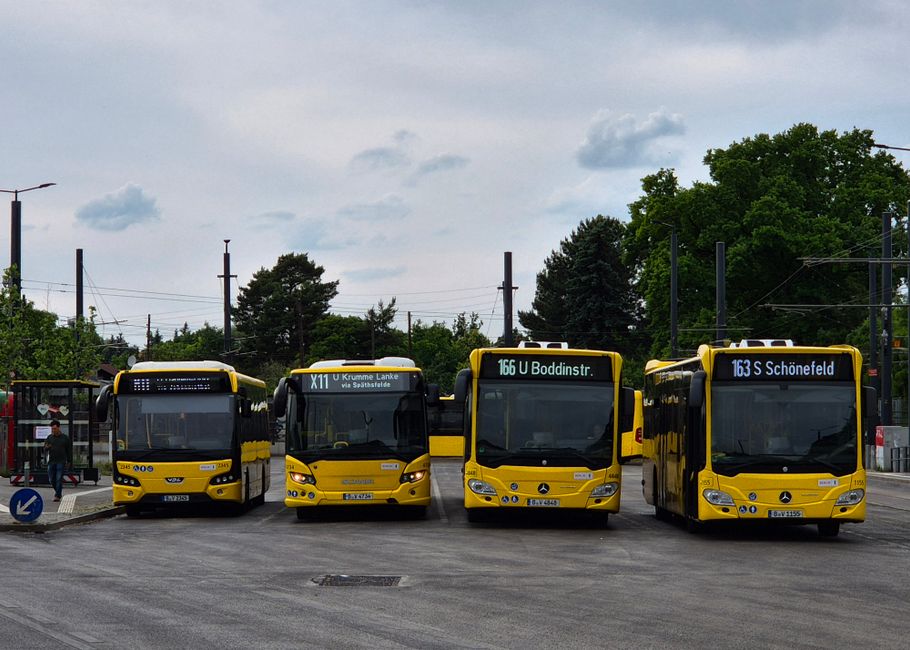
UrbanFlow Transit has introduced a new fleet of electric buses across three major downtown routes. This initiative represents a shift towards cleaner public transportation, aligning with broader environmental goals. The buses are designed to operate with zero tailpipe emissions, contributing to improved air quality in urban areas.
The deployment is part of a larger effort to modernise the city’s transit infrastructure. By integrating electric vehicles into daily operations, the aim is to reduce the carbon footprint of public transport while maintaining reliable service. The new buses are expected to support the city’s sustainability targets, though the full impact will depend on various operational factors.
Technology and Design Features
The electric buses incorporate several technological advancements aimed at enhancing efficiency and passenger comfort. One notable feature is the quiet engine, which significantly reduces noise pollution compared to traditional diesel buses. This creates a more pleasant environment for both passengers and pedestrians, especially in busy downtown areas.
Another key aspect is the regenerative braking system. This technology captures energy typically lost during braking and redirects it to recharge the bus’s batteries. As a result, the buses can extend their driving range and reduce the frequency of charging, which is beneficial for maintaining consistent service schedules.
The buses are equipped with modern amenities to improve the passenger experience. These include comfortable seating, accessibility features, and real-time information displays. The design also prioritises safety, with advanced driver assistance systems and robust construction standards.
Overall, the integration of these technologies demonstrates a commitment to adopting sustainable solutions in public transport. However, the effectiveness of these features in everyday operations will be evaluated over time.
Route Integration and Operational Planning
The electric buses have been assigned to three major routes that traverse the downtown core. The selection of these routes was based on factors such as passenger demand, distance, and charging infrastructure availability. By focusing on these routes, the operator aims to maximise the environmental benefits while ensuring operational efficiency.
Operational planning involves careful scheduling to accommodate charging times and to maintain frequency. The buses have a sufficient range for typical daily duties, but charging infrastructure is strategically placed at depots and select stops. This allows for midday top-ups if needed, though the exact requirements will depend on route conditions and traffic patterns.
Monitoring systems track battery levels, energy consumption, and route performance in real time. This data helps operators optimise routes and charging schedules. Over time, insights from these systems may inform adjustments to service provision and infrastructure development.
The transition to electric buses also requires training for drivers and maintenance staff. Drivers receive instruction on handling regenerative braking and managing energy consumption. Maintenance teams learn about high-voltage systems and battery care, which are critical for the long-term reliability of the fleet.
Environmental and Community Impact
One of the primary objectives of this initiative is to reduce emissions in the city centre. Since the buses produce no exhaust emissions, local air quality may improve, which is particularly important in areas with high traffic congestion. However, the overall environmental impact depends on the sources of electricity used for charging. If the electricity comes from renewable sources, the lifecycle emissions are considerably lower.
Beyond emissions, the quiet operation of the buses reduces noise pollution, contributing to a calmer urban atmosphere. This can have positive effects on residents and businesses along the routes. Additionally, the reduction of harmful pollutants may have health benefits for the community, though these outcomes are not guaranteed and are subject to various external factors.
The initiative also sets an example for other cities considering similar transitions. By demonstrating the feasibility of electric buses in a downtown setting, it provides a practical case study. However, it is important to note that each city has unique circumstances, and the success of such projects depends on local infrastructure and policy support.
Engagement with the community is an ongoing process. Feedback from passengers and residents is collected to assess satisfaction and identify areas for improvement. This input informs future decisions on fleet expansion and service adjustments.
Future Prospects and Considerations
The introduction of electric buses is a significant step, but it is part of a longer journey towards sustainable urban mobility. Future developments may include the expansion of the electric fleet to additional routes, the integration of other clean technologies, and the enhancement of charging infrastructure.
One consideration is the total cost of ownership. While electric buses have lower fuel and maintenance costs compared to diesel, the initial purchase price is higher. Over time, the savings may offset the initial investment, but this depends on factors such as energy prices, battery lifespan, and government incentives.
Battery technology continues to evolve, leading to improvements in range, charging speed, and longevity. These advancements could make electric buses even more viable for a wider range of routes and operating conditions. The operator will likely monitor these developments to inform future procurement decisions.
Another aspect is the resilience of the electric grid. As more electric vehicles are adopted, the demand for electricity increases. Coordinated planning between transit authorities, energy providers, and local government is essential to ensure grid stability and efficient charging management.
The success of electric bus programmes is not solely determined by the vehicles themselves; it hinges on a complex interplay of technology, infrastructure, and policy. Sustainable outcomes are likely when all elements are aligned.
Overall, the electric bus service represents a proactive approach to reducing the environmental impact of public transport. The long-term benefits will be realised through continuous evaluation, adaptation, and collaboration among stakeholders.